

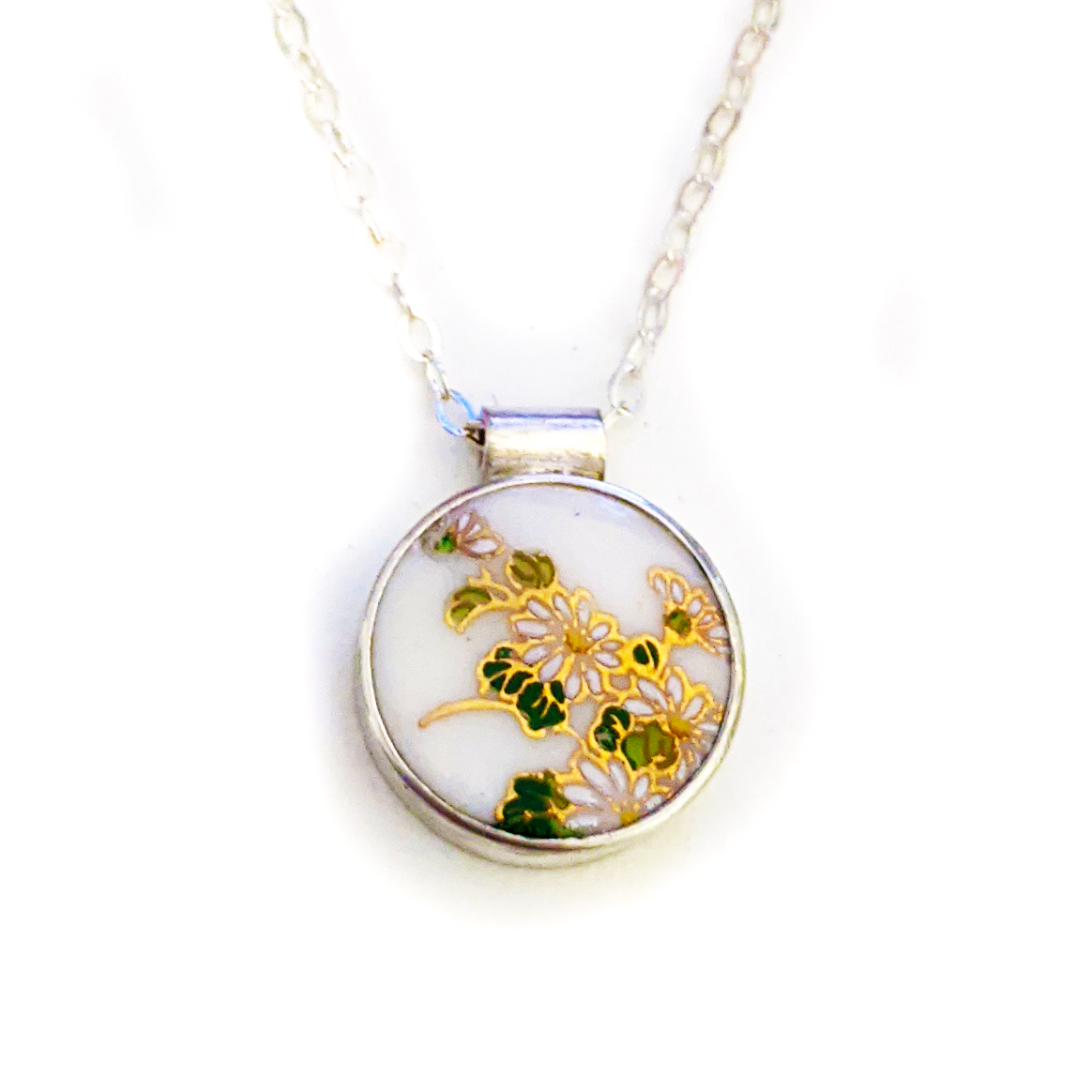
The chrysanthemum represents longevity, rejuvenation and nobility in Japan. It is also the symbol of autumn, harvest and goodwill. Because of its auspicious meaning, the flower frequently appears on decorations, accessories, porcelains, kimonos and obis, as well as Japan’s 50 yen coin
Patterns and styles evolved, and by the late 15th century arrangements were common enough to be appreciated by ordinary people and not only by the imperial family and its retainers. Ikebana, in the beginning, was very simple, constructed from only a very few stems of flowers and evergreen branches. This first form of ikebana is…
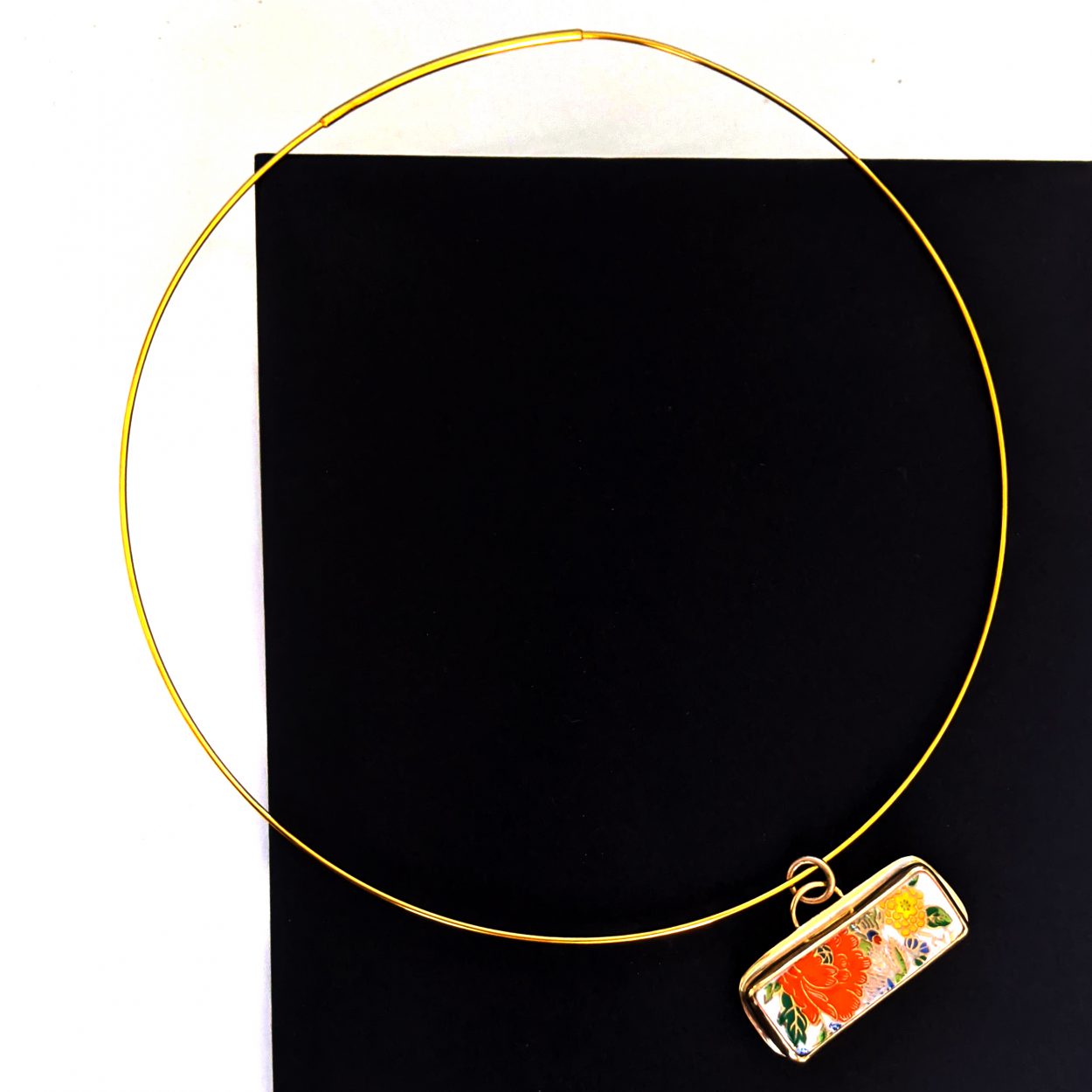
Ikebana (生け花, 活け花, “arranging flowers” or “making flowers alive”) is the Japanese art of flower arrangement. It is also known as Kadō (華道, “way of flowers”). The tradition dates back to Heian period, when floral offerings were made at altars. Later, flower arrangements were instead used to adorn the tokonoma (alcove) of a traditional Japanese…
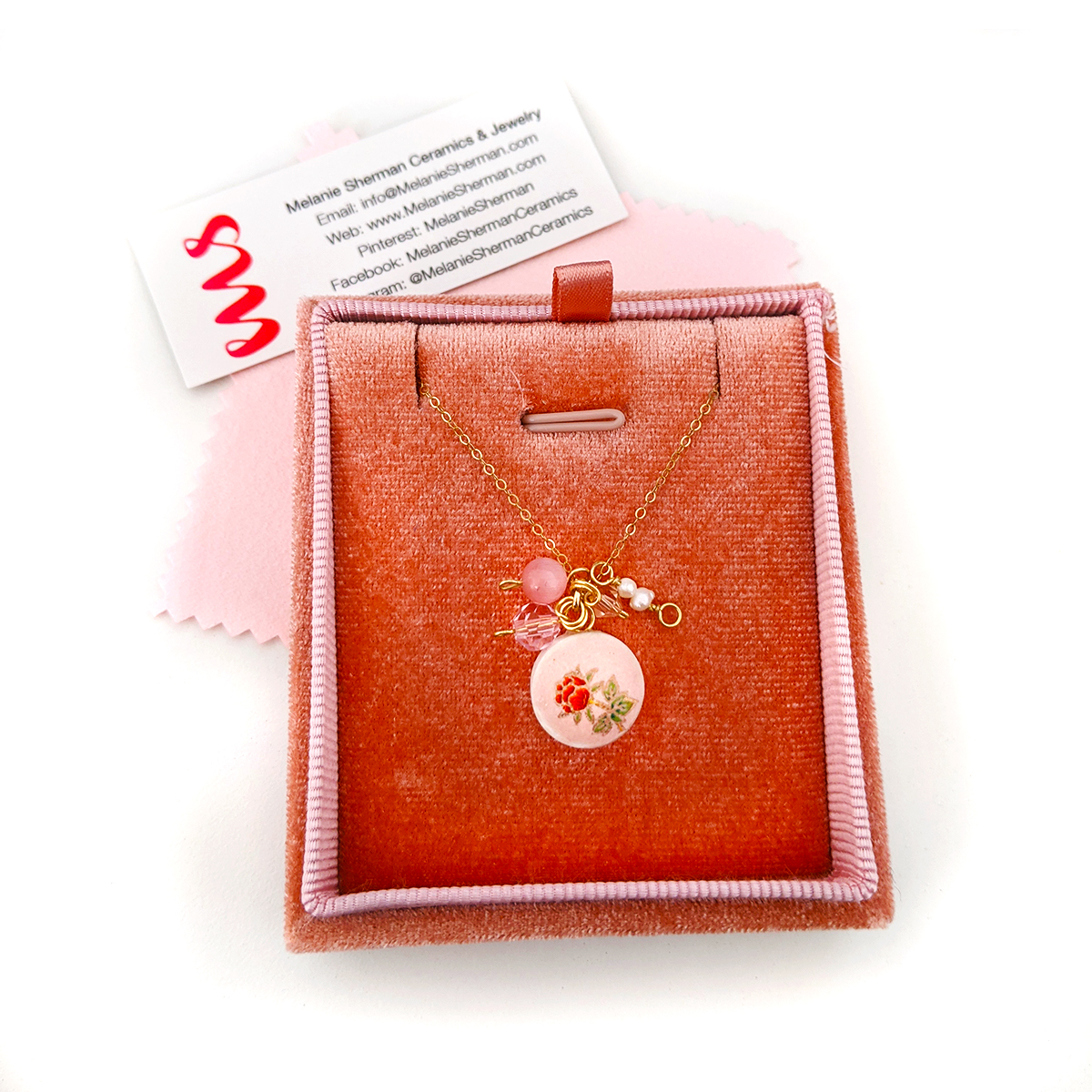
#ceramic #porcelain #jewelry #melaniesherman #porcelain jewelry #ceramic jewelry #sterling silver #fine metals #vintage #japanese #german #european #metalsmith #ceramicist #potter #pottery #chards #mineral #gold #24k #18k #12k #oneofakind #art #artist #historicporcelain #dinnerware #wearable #personalized #custom #birth #birthstone #necklace #charm #jewelry #personalized #family #tree #retro #heart #mother #moon #baby #feet #gemstone #flower #mom #birth #year #art #chinapaint…